
TheOneOnLeadfulness
LeadershipwithMindfulApproach

I have been asked many times by my colleagues and peers what is my secret. How do I look&feel centered, present, happy and serene, when the world sometimes seems to be crumbling down around me, when the leadership space is more complex and uncertain than ever. How can I transmit confidence and real CARE about the people I work with, and the people I meet, and the people I do not even meet but I interact (virtually or in any other form) and I send good thoughts to.
While I do have moments when I fell I am falling off course, I must admit that in 99% of the cases I am PRESENT. Through the GOOD and the BAD. Present in my body, present in my reactions, I quickly enter meta-cognition and meta- attention pathways that have become part of my BEING. In the most part of my day, ideas come to me, I am at peak efficiency, I listen to my body and I recover fast. I am in homeostasis and I can also prove it, it is not bragging nor biased self-talk, it is proven by my stress level, my resilience, my capacity to be up after I fall, and the feedback I receive from (most of :)) the souls around me. Also OURA, BrainMapping and other measurement devices, more on this to come soon.
I coin this state of mind I have reached LeadFulness. It is the capacity to Lead (self and others) with mindfulness as a quality of the mind.
What is Mindfulness?
The definition I relate to most is “Keeping one’s complete attention to the experience on a moment-to-moment basis in an open and non-judgmental way.” — Jon Kabat-Zinn, PhD
For those of you that are more skeptical and would like to understand the science behind, there is tons of research. It is maybe the most researched area of the last century. Relevant Piece of Research
I asked AI and curated the results: Modern research shows that mindfulness-based practices—such as meditation, yoga, breathwork, and somatic awareness—directly enhance leadership effectiveness by improving clarity, emotional regulation, and resilience.
Key Benefits (Backed by Research):
Improved Focus & Decision-Making: Studies (e.g., Harvard, 2015) show mindfulness strengthens prefrontal cortex activity, enhancing cognitive flexibility and reducing reactivity under stress.
Emotional Regulation & Empathy: Regular meditation increases gray matter density in areas linked to emotional intelligence, leading to more balanced and empathetic leadership.
Stress Reduction & Resilience: Mindfulness-based stress reduction (MBSR) programs reduce cortisol levels and burnout risk, improving energy and adaptability (JAMA, 2016).
Presence & Connection: Somatic practices improve interoceptive awareness—helping leaders “read the room,” stay grounded, and create psychological safety in teams.
Creativity & Innovation: Neuroscience research links mindfulness to increased alpha brain wave activity, fostering insight and innovative thinking (Frontiers in Psychology, 2018).
In essence:
Mindfulness and somatic training are not “soft skills” — they are strategic capacities that enhance clarity, authenticity, and the ability to lead from presence rather than pressure.
This is me again (can you tell?).
To reach Leadfulness is a lifetime endeavor. At the beginning, it is not an easy journey. It may take years until one reaches a stable state (depending on so many factors). It takes discipline, it take structure, it takes self-leadership. it takes the discovery that you actually have it inside you, and you start remembering it (we all do when we were in our youth).
It takes the courage to expand views and to jump into unknown waters (but so well researched that the mind can be at ease). It takes questioning yourself - what am I searching for? It takes further questioning oneself - what is my ROI? Who will I be after? It takes the courage to dissolve identity and to seek rebirth as a phoenix bird.
But aren’t these the qualities of leadership that have boosted us to this moment in the here and now? When you read this, does’t it trigger you, in the positive way? Is there anything stopping you?
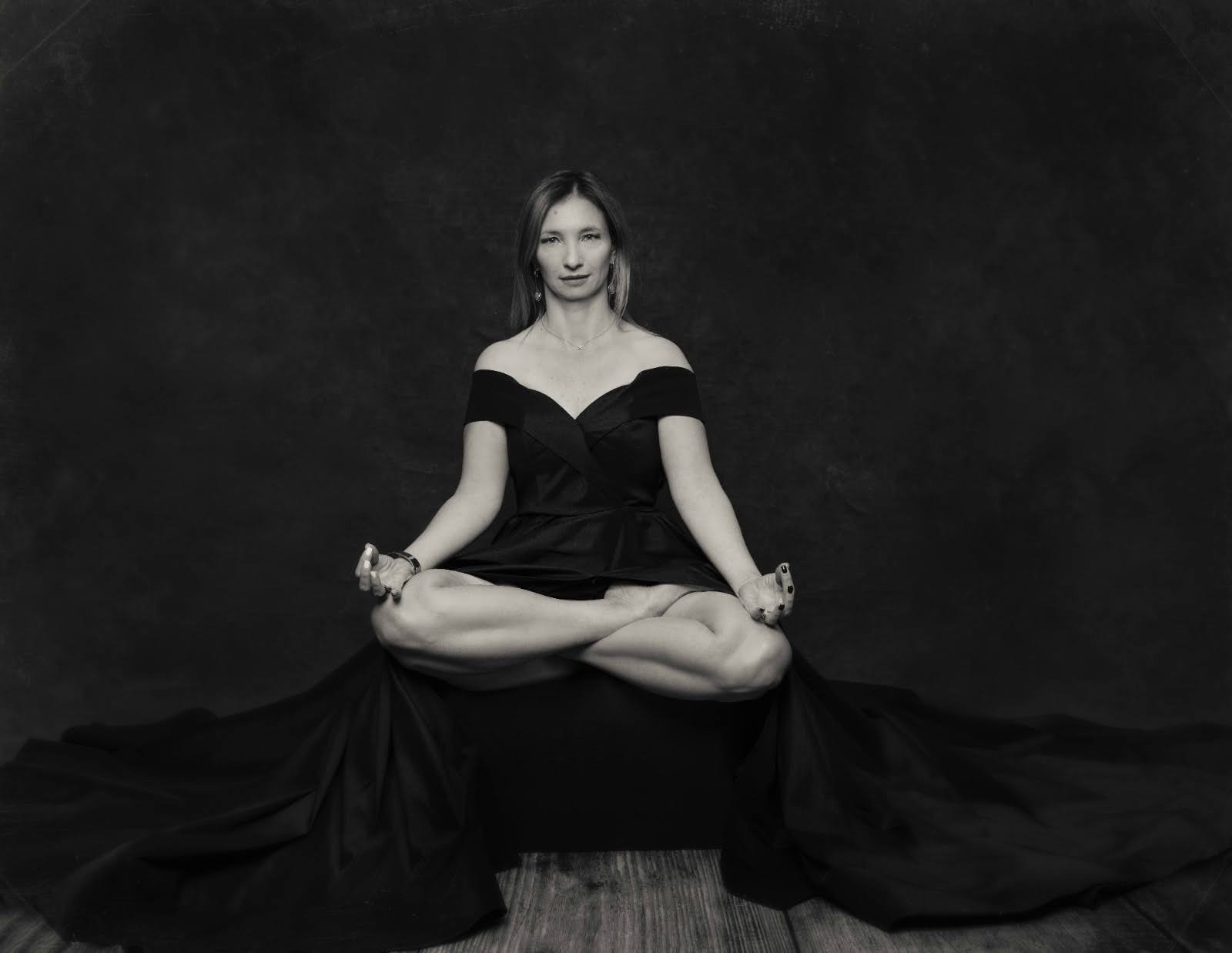
PhotoCredit: PhotoArtbyRalf